Coconut Grove is – and always has been – a place where people come together with friends to have a carefree time in our unique little community. That same vibe still exists, but now more and more of our four-legged friends are joining in on that hang-out time as well.
We are extremely lucky to live in such a dog friendly community. Here, you are able to walk all around the district with your dogs, visiting stores and restaurants, and dog parks along Biscayne Bay. And isn’t that something! How many dogs get to go to a dog park with a waterfront view! Many communities are not as welcoming to dogs as the Grove!
With such luxuries, it is important to remember some of the basics of pet ownership especially living here in the greater Miami area: handling the heat, coping with mosquitoes, preparing for hurricanes, and living in an environment where year-round the plant life thrives – and so do the parasites.
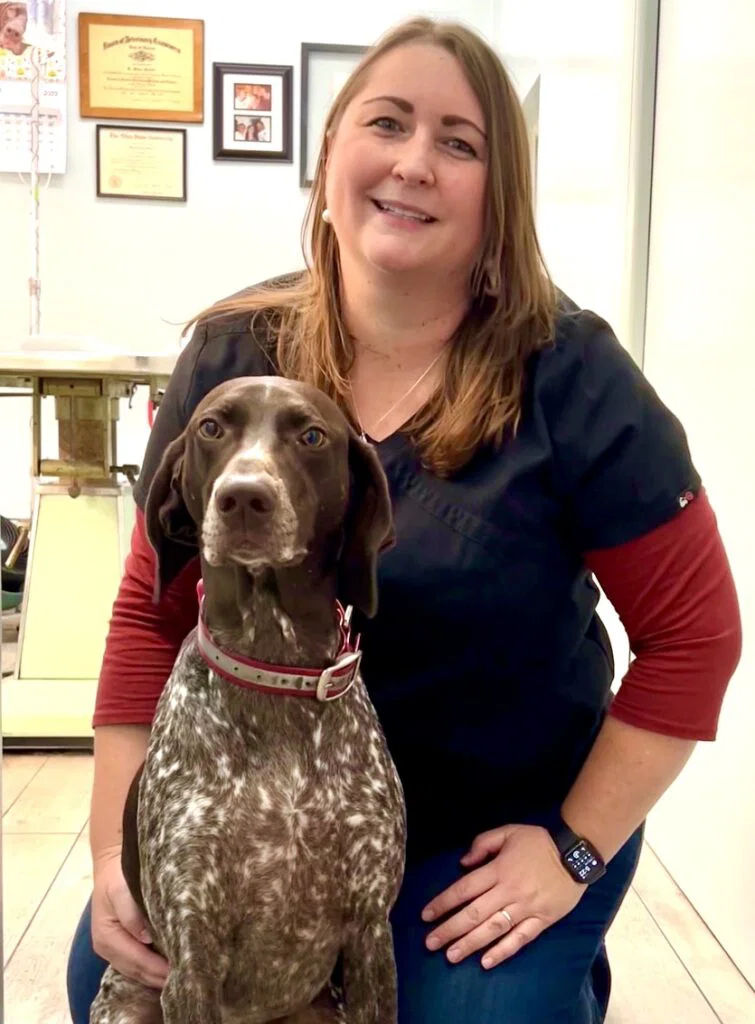
We recently met up with Kate Marmesh, D.V.M., from Coconut Grove Animal Clinic, the oldest, continuously operating in the Grove. We wanted to explore ways to keep your dog cool when the heat is on – which in South Florida is almost a year-round concern! We also asked about parasites and tips for taking your dog to the beach or pool, as well as important hurricane preparedness pointers for dog owners, and a whole lot more – can you say deadly Bufo toad?
Navigating the Busy Grove
Following are tips on how to get around the Grove safely and smartly:
- Make sure your dog is wearing a leash (or even a harness). This protects your dog (I can’t tell you how many times I have had to chase after loose dogs on Grand Avenue….countless).
- If your dog is frightened by loud music, honking horns, police sirens, fire trucks, and crowds of people, it might not enjoy a walk through center Grove.
- Often times the sidewalks are packed so be prepared to encounter other dogs or children that might reach out for your dog.
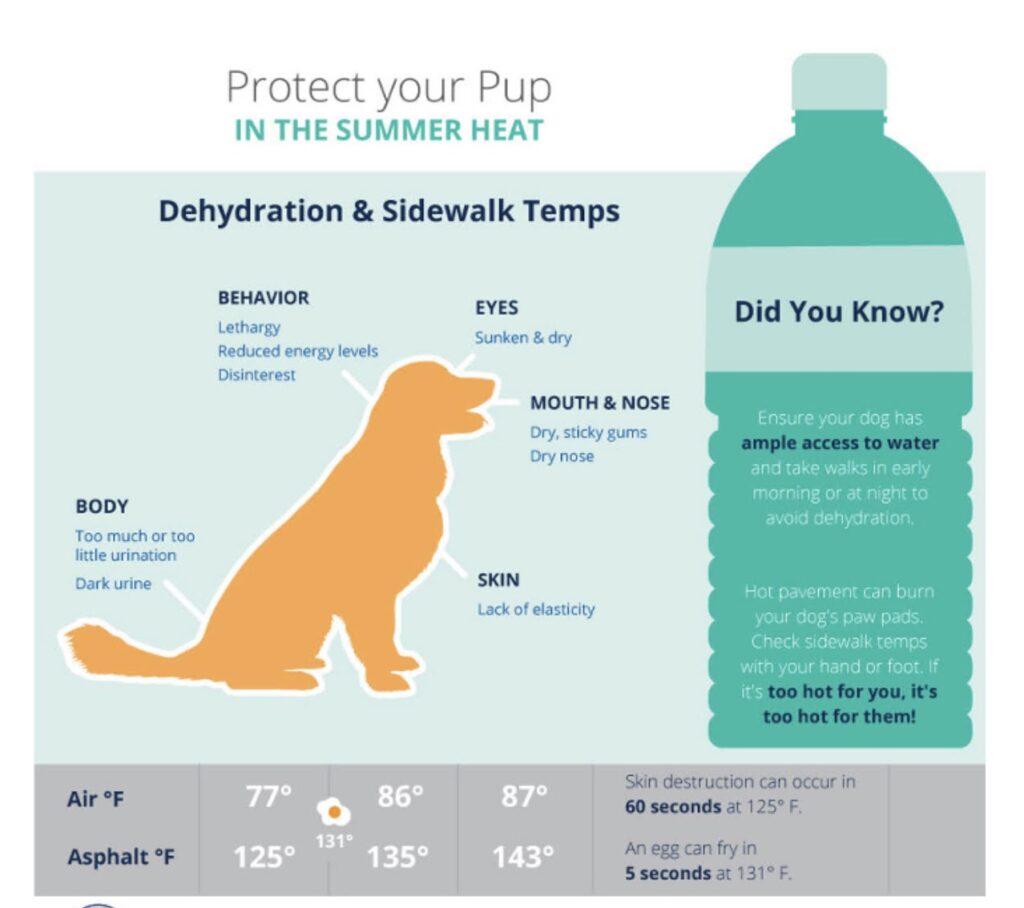
- Sidewalks get very hot – welcome to the subtropics! Try to avoid walking your dog during the hotter parts of the day.
- Some businesses welcome your pet inside and some don’t. It’s always a good idea to check before entering.
- Watch out for pieces of food and other things that have been left behind by others (especially after festivals). Your dog might pick something up that will cause problems in multiple ways.
- Miami-Dade has a leash law. So I’m just going to leave this right here… When a dog goes off private property, it must always be leashed. Dogs are not permitted to roam free off private property. Exceptions are made for dog parks or areas designated for dogs.
- Also, beware of retractable leashes. They can be convenient, but I have seen many a tragedy as a result of retractable leash usage. Dogs hit by cars, attacked by other dogs, pulling their owners to the ground because, etc. Be careful there!
Hot Times in the City
Many Grove restaurants have water and dog treats out for our pets. I still encourage everyone to carry their own supply of water and treats, and to use those publicly-placed goodies as a backup for when you’ve forgotten your own. As much as we all love to go out to the restaurants in the Grove and sit at a table with our dog at our feet, it is still possible that it is too hot to even do that during many months of the year.
Most dogs want to be right by their owner’s side and if they can participate in an activity with their owner that is the thing they are most excited about. In hot temperatures they will sometimes push their bodies beyond what they can actually handle. Sometimes it is our job as their caretakers to protect them from themselves!
- Overheating or heat exhaustion happens quickly. It happens more easily in brachycephalic dogs (i.e., French Bulldogs, English Bulldogs, Boston Terriers, and Pugs)
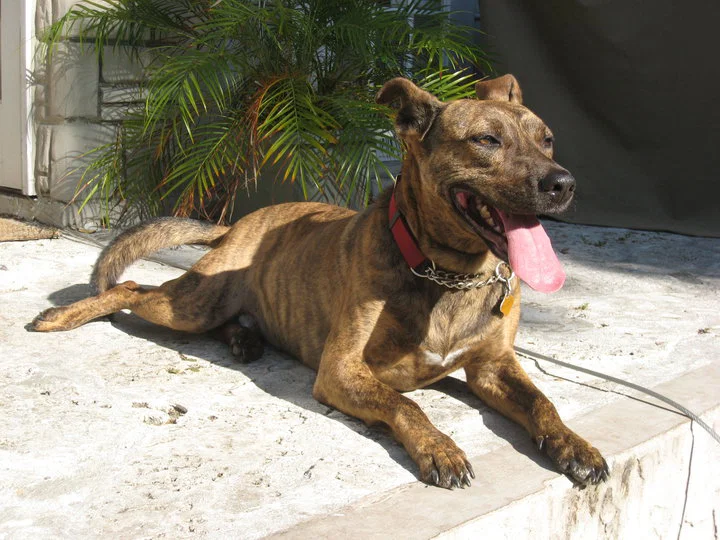
- The first thing you usually notice is that your dog is panting excessively. Their mouth is open, and their tongue might be hanging out a lot further than usual.
- Other signs of overheating include drooling, trouble walking, stumbling, collapse, and gum color can vary from pale (in shock) to bright red to purple.
- Avoid walking your dogs or going to dog parks in the middle of the day. Even if it is shady it is still hot and if your dog is running around in the shade it can still overheat.
- Dogs with short coats, haircuts, or that are hairless can get sunburned.
- Never leave your pet in an unattended hot car.
- The streets and sidewalks are hotter than the temperature of the air. Let them walk on the grass as much as possible.
- Carry water to offer your pets at all times.
What To Do If Your Dog is Overheating
- Get into air conditioning.
- Wet your dog’s coat all the way to the skin with lukewarm water.
- Setup a fan to blow air directly on your dog.
- Make sure to wet the skin of the ears and top of head using a wet washcloth.
- Seek veterinary care if problems persist – or just to be doubly sure your dog is ok.
Life’s More Fun at the Beach
- Dogs need to be supervised around large bodies of water, such as along the shore and at a pool.
- Avoid letting your dog drink salt water or pool water. Keep clean freshwater around at all times. Refresh that water daily to avoid contaminants.
- If your dog swims, be sure to thoroughly rinse off the salt water/chlorinated pool water.
Our Lush Environment – Trouble in Paradise
Let’s face it, it does not get cold here – certainly not cold enough to stop plants from growing and parasites from thriving. In fact, South Florida was one of the first places in the U.S. where fleas became resistant to Frontline Plus. We actually created “super fleas” here! The fleas have been particularly horrible this year and this is largely attributed to the increase of people with pets moving into the area and just the right weather to make the fleas happy. It’s a reminder to keep up flea preventatives for your pets and that sometimes living environments need to be professionally treated as well.
Ticks are becoming more common throughout the entire country and with that the spread of more tick diseases will occur. Do we have ticks? Yes (and no). They will infest certain defined areas and you may happen to walk your dog through one of those areas – and your house may soon become the home of many ticks. So, if your dog walks with you often it is always a good idea to keep them on tick prevention.
Yes, Bufo Toads Are Deadly
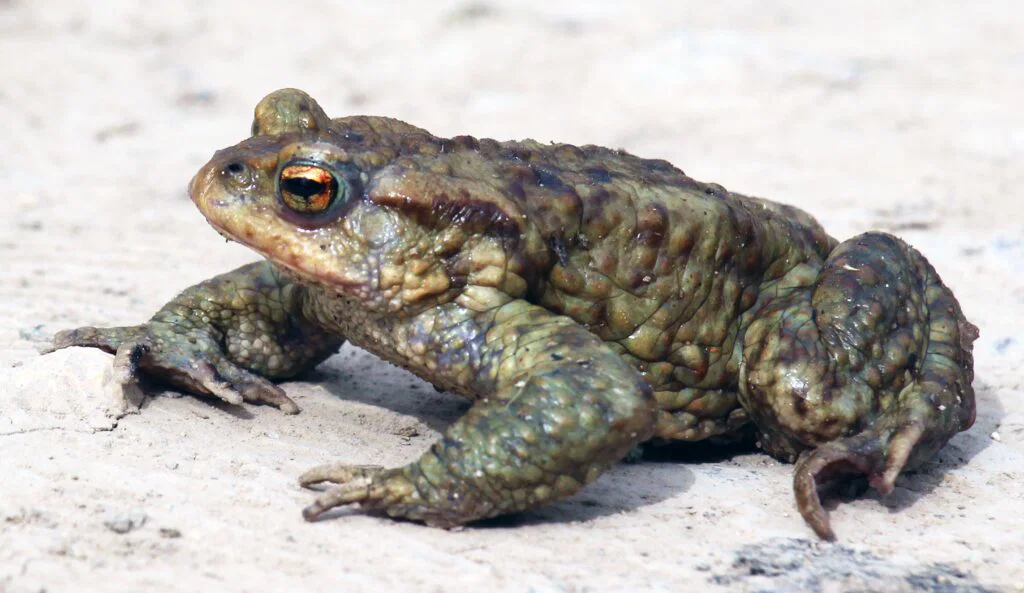
Rainy days in Coconut Grove also bring out the Bufo toads (aka Cane toads or Marine toads). These invasive cold-blooded creatures have taken down many of our furry friends.
The toad produces a toxin that is released through pinhole openings in their skin. Your dog may touch, lick, or even eat the toad and the effects can be deadly in a matter of minutes. That’s the amount of time you may have just put your dog in your yard for unsupervised exercise. It can happen that fast!
The following are the signs of Bufo toad exposure:
- Drooling/excessive salivation
- Bright red gums
- Labored breathing
- Seizures
What Do You Do If Your Pet Has Been Exposed?
- The toxin is absorbed through the gums
- You need to wash your pets mouth with water using a hose or water soaked washcloth
- If you skip this step and leave to seek veterinary care your pet will continue to be poisoned by the toxin
- So wash the mouth out and then immediately seek emergency veterinary care
Also, toads may be attracted to your yard because of pet food dishes. They will eat cat food just as happily as your neighborhood raccoon would. So try to avoid having bowls out that might encourage them to stop by for a meal.
Allergies Can Crop Up
People often move to the Grove and their dogs (or even they as a human) have never had allergies and they become a victim of our foliage!
Environmental allergies are a common issue for Grove pets. Especially mango and oak season. And it isn’t necessarily the eating of the mangoes! It’s often the pollen and flowering. Just lounging in the grass can be enough to set off skin allergies in some pets. Unfortunately, there isn’t much to do to prevent this but if you are aware your dog has these allergies it may mean more visits to the vet.
Parasites Are No Bueno
Intestinal parasites are often the side effect of having lots of pets in a small area. The Grove has become more saturated with humans and their pets – and unfortunately an increase in the transmission of intestinal parasites comes with that.
Where there is warmth, water, plants, and a healthy amount of rain, there will be mosquitoes, which are problematic because they transmit heartworm disease. We have mosquitoes year-round here. They are definitely worse in the summer, but they are always here.
What Do You Do If You Believe Your Pet Has Been Exposed?
- Keep your dogs on Heartworm Prevention year-round. Most heartworm preventions protect against heartworm disease and intestinal parasites. It’s a must! There are even one year injections for both heartworm prevention and another for flea and tick prevention.
- Use your poop bags. The best way to prevent intestinal parasites from moving into our soil is to pick up the poop (and try to use an environmentally friendly bag).
- Remember: Parasites spread disease to both pets and humans. So, by protecting your pet you are also protecting yourself and your neighbors!
Hurricane Preparedness is for Pets, Too
- Keep copies of your pet’s vaccine records.
- Make sure your pets are microchipped and that the contact information is current.
- Keep a carrier that fits your pet in case of evacuation.
- Keep extra food and water on hand for your pet as well.
- If your pet suffers from storm phobia/anxiety be sure to have a supply of anti-anxiety medications on hand if you have used them for this reason before.
Some of the more common local problems we see at Coconut Grove Animal Clinic that relate to life in the Grove stem from allergies, intestinal parasites, external parasites, the occasional dog fight from the dog park, and overheated dogs from walking through the Grove or just sitting at the outdoor restaurants.
Veterinary medicine is a very interesting field. Every day comes with new surprises and the medicine and parasites are always evolving. What worked to kill parasites 10 years ago doesn’t necessarily work today. Coconut Grove is increasing in population of both its two-legged and four-legged inhabitants. With that in mind we need to be extra diligent to keep our surrounding environment in the best shape for everyone.
About Coconut Grove Animal Clinic
Coconut Grove Animal Clinic was founded during the days of the “Old Grove.’” It has been rich in family tradition and pet care ever since. After graduating from the University of Minnesota, Dr. Michael Marmesh, Sr. opened the Clinic in 1965. His wife, Sarah Marmesh, acted as office manager, and they maintained their small-town business in an area that quickly grew up around the clinic.
In 1978, the couple was joined by their son Dr. Michael E. Marmesh, Jr. after he graduated from Ohio State University. The father and son pair worked together until Dr. Marmesh, Sr. passed away in August 2000. Michael’s wife Nancy has taken on the job of business manager after retiring from her work as an elementary school gifted teacher at Coconut Grove Elementary.
Most recently Dr. Kate Marmesh (daughter of Dr. Marmesh, Jr.) has come to work with her father. She graduated from St. George’s University in May 2005 and worked in Fayetteville, Tennessee until June 2008. She has returned home to be the third generation in this family business.
For information and hours of operation, visit the Coconut Grove Animal Clinic website. You may also contact the office staff by calling 305-448-2123 or via email at cganimalclinic@aol.com.